
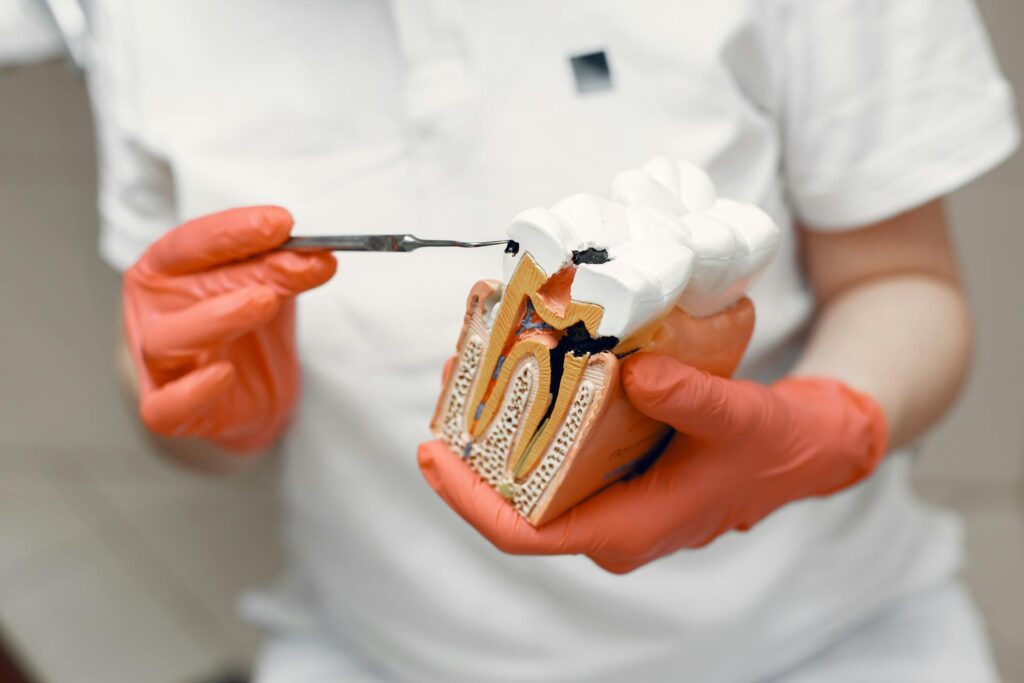
Is Fluoride Really Necessary?
Fluoride has been one of the most discussed topics in preventive dentistry for decades. While some people question its safety or necessity, the overwhelming body of scientific evidence supports its role in maintaining oral health. The key question is not whether fluoride works, but how essential it is in modern dental care.
What Fluoride Does in the Mouth?
Fluoride is a naturally occurring mineral that interacts with tooth enamel in a highly beneficial way. Tooth enamel is constantly undergoing cycles of demineralization and remineralization. When acids from bacteria and dietary sugars attack enamel, minerals such as calcium and phosphate are lost. Fluoride helps reverse this process by enhancing remineralization and making enamel more resistant to acid attacks.
In addition, fluoride has antibacterial properties. It inhibits the activity of acid producing bacteria in dental plaque, reducing their ability to damage tooth structure. This dual mechanism makes fluoride uniquely effective compared to other preventive agents.
Evidence from Scientific Research
The scientific consensus on fluoride is strong and consistent across decades of research. Large scale epidemiological studies have shown that communities with access to fluoride, whether through water or dental products, experience significantly lower rates of dental caries.
Systematic reviews and meta analyses conducted within evidence based dentistry frameworks consistently confirm these findings. Fluoride toothpaste alone has been shown to reduce caries incidence by approximately twenty to thirty percent in both children and adults. Professional fluoride applications, such as varnishes, provide additional protection for high risk individuals.
Major health organizations including the World Health Organization and the American Dental Association endorse the controlled use of fluoride as a safe and effective public health measure.
Safety and Controversy
Despite the strong evidence, fluoride remains controversial in some public discussions. Concerns often focus on potential toxicity. It is important to distinguish between appropriate use and excessive exposure. At recommended levels, fluoride is considered safe. The most common side effect of overexposure during tooth development is dental fluorosis, which is usually mild and cosmetic.
Toxic effects are associated with significantly higher doses than those used in dental care. Regulatory bodies carefully monitor and set safe limits to prevent such risks. From a clinical perspective, the benefits of fluoride in preventing tooth decay far outweigh the minimal risks when used correctly.
Is Fluoride Still Necessary Today?
With advances in dental technology and oral hygiene awareness, some argue that fluoride may no longer be essential. However, dental caries remains one of the most common chronic diseases worldwide. Fluoride continues to play a crucial role in reducing disease burden, especially in populations with limited access to dental care.
Modern preventive dentistry relies on a combination of patient education, mechanical plaque control, and chemical support. Fluoride remains a cornerstone within this framework due to its proven effectiveness, affordability, and accessibility.
Conclusion
The scientific consensus is clear. Fluoride is not only effective but necessary as a preventive tool in dentistry. Its ability to strengthen enamel, inhibit bacterial activity, and reduce caries risk is supported by extensive research. When used appropriately, fluoride represents one of the most successful public health interventions in oral healthcare.