
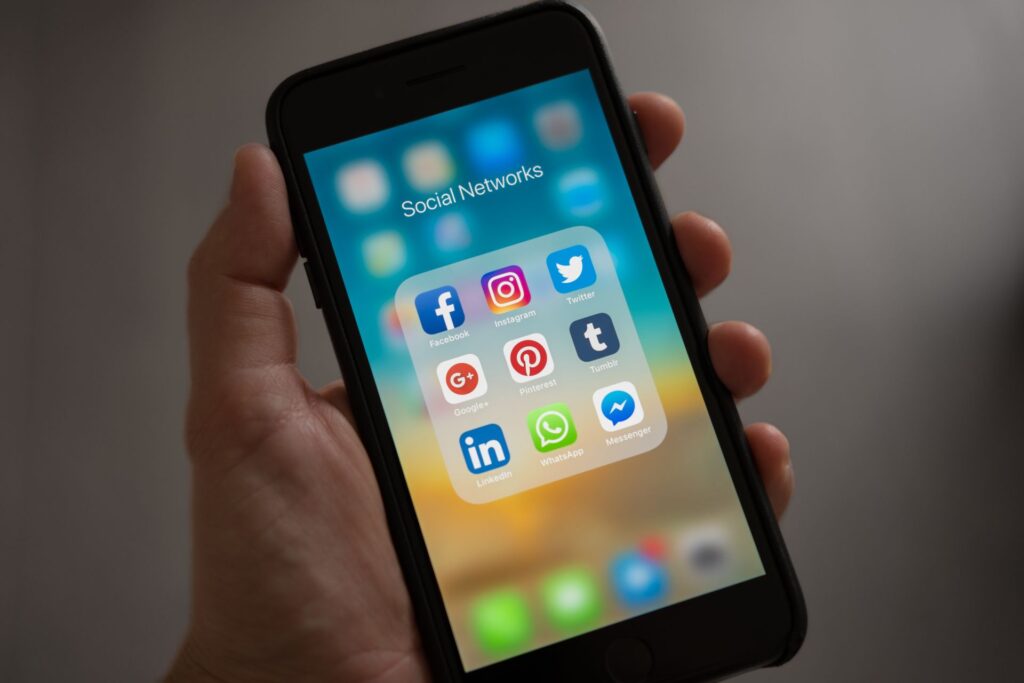
Imagine a social media app or an X account being banned overnight in your country, or a viral post sparking a diplomatic dispute between two nations. A few years ago, this might have seemed far-fetched; however, today social media is becoming a significant part of international politics. Governments, companies, and even ordinary users can influence global events through digital platforms.
Government Control and Regulations on Social Media Apps
The United States has expressed concerns regarding TikTok’s ownership and its potential impact on national security. Although the app has not been shut down, discussions about forcing the sale of the platform or restricting its operations demonstrate how social media platforms can become part of geopolitical competition.
The legal proceedings initiated in France against the founder of Telegram have sparked an international debate on the platform’s accountability, freedom of expression, and government regulations. This situation demonstrates that governments are increasingly striving to tighten their control over the digital sphere.
Additionally, recent allegations include claims that WhatsApp has leaked information to governments by violating the protection of personal data, and that artificial intelligence will monitor communications.
Many countries, including China, Russia, and Iran, have restricted or blocked platforms such as WhatsApp, Facebook, and X. Governments typically justify these measures on grounds of security, information control, or national sovereignty concerns. This demonstrates that social media platforms on an international scale have become a new tool of politics.
In fact, as part of this instrumentalization, some countries are supporting their own local social media platforms. Governments that encourage citizens to use national alternatives are working to reduce dependence on foreign technology companies and gain greater control over the flow of information.
Social Media as a Battlefield;
In the recent U.S.-Israel-Iran tensions, the countries attempted to influence the course of the conflict through a back-and-forth exchange of tweets; even a peace agreement was reached online. Wars used to be watched on television; now they are followed online via social media apps. Furthermore, even armies are sharing their past and planned attacks on social media.
Conclusion
Social media has gone far beyond being merely a tool for entertainment and communication. It is now deeply intertwined with national security, diplomacy, and international competition. The advancement of technology in the post-Cold War world has been one of the primary drivers of this development. Consequently, social media is increasingly viewed as a new international political battlefield where nations compete for influence, control, and information.