
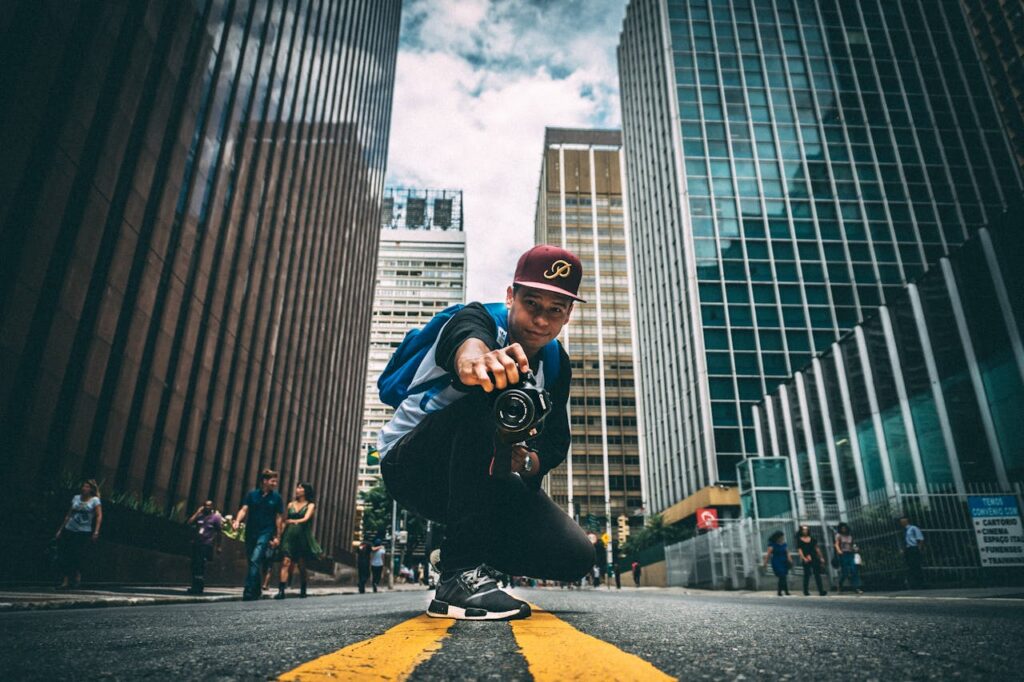
Streetwear today is one of the cornerstones of fashion, showing no signs of fading away in the near future. This is ironic in a way, considering this style’s essential aim. Streetwear style originally emerged not to become a part of fashion but quite the contrary, as a way to rebel and to go against the fashion norms in the search of comfort and self-expression. It wasn’t even recognized as a style, but merely as a trend among the younger generations of the society. Now, it does not only possess a significant part in fashion, it is also a lifestyle among many. How did this happen?
They say that in order to really comprehend how something happened to turn out the way it is; we must first start from its roots. Looking back, we can trace streetwear’s roots back to the 1970s California. Quite recent for that tremendous of a change from its origin, don’t you think? The 70s in California was a time when the laid-back surfing and skating cultures were in rise, which lead to the search of something comfortable and practical that they could perform their activities in. This was also an era defined by countercultural movements that challenged societal norms, and surfing and skateboarding became symbols of rebellion and individualism, thus creating the streetwear style. During the late 1970s, the punk rock movement brought a DIY ethos to fashion that took inspiration from punk’s rebellious spirit, individuals began customizing their clothing by adding patches, rips, and bold graphics to stand out. This DIY culture heavily influenced early streetwear pioneers. Later on in the 80s and 90s, the graffiti artists with the hip-hop culture in New York further shaped the style. A skateboard shop in New York, called Supreme, used a “drop” model, which meant releasing limited-edition products in small quantities, to create a sense of urgency and exclusivity that became a defining feature of streetwear. Creating a sense of community to give the illusion of belonging became a huge part of streetwear. They did this mostly through large logos and iconic conspicuous coloring.
Meanwhile, the style continued to globalize. Nigo, who founded a brand called BAPE in 1993, brought a unique Japanese approach to streetwear by combining Western influences with bold, distinctive designs.
The millennium was when streetwear actually met high fashion. By then, streetwear had grown from a niche subculture into a global movement, impacting mainstream fashion and continually adapting to the changing landscape of urban culture. Partnerships with luxury brands like the Louis Vuitton and Supreme (in 2017), played a huge role in this shift. Collaborations with high end brands blended the lines between high and low fashion. So buzz and exclusivity was created, which made the style more desirable. Additionally, this elevation caused the style to speak to a wider range of age group. Now everyone could wear it without feeling childish. Though the rise of this style still seems to feel way too sudden doesn’t it? What could have caused this?
Streetwear isn’t only comfortable but it is also both sustainable and inclusive. Many streetwear brands are adopting sustainable practices, recognizing the demand for eco-friendly fashion among younger consumers, while also looking stylish. The style is also mostly gender-fluid, as it embraces oversized, androgynous fits, many streetwear pieces are designed to be worn by anyone, regardless of gender. The “drop” concept that we mentioned earlier, and blurring the lines between casual and formal also helped.
From its humble beginnings in the skate parks of the urban youth to its current status on luxury runways, streetwear has undoubtedly transformed the fashion industry. Leaning on branding, comfort, and individuality has addressed to a wide range of consumers. As the industry continues to evolve, streetwear will likely remain as a prominent fashion style, blending subculture with high-end style and opening the door to infinite possibilities.